
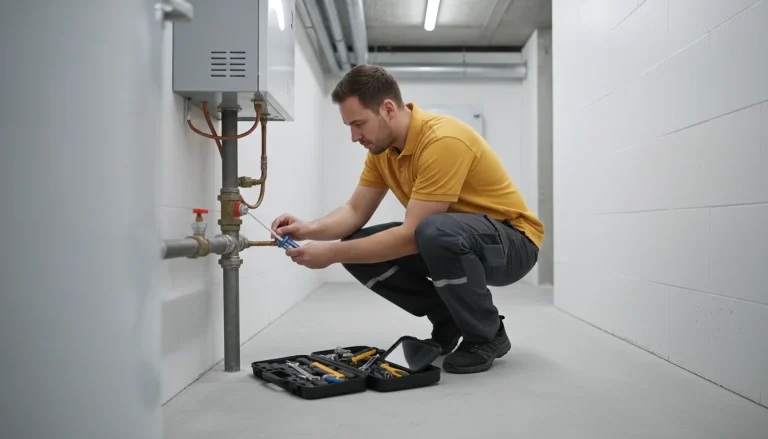
Basement Flooding Prevention
Most Toronto basement floods have a cause that can be fixed. After the July 2013 storm, the City…
Learn MoreToronto’s water problems come from a few directions at once. Summer storms can drop more rain in an hour than the sewers can carry: in July 2013 and again in July 2024, flash flooding filled basements across the city, closed the Don Valley Parkway and put water into Union Station. Older neighbourhoods are served by combined sewers that carry storm water and sewage in the same pipe, so when they back up, they back up into basements. Add winter freeze-ups, ageing plumbing and thousands of condo units stacked on top of each other, and water damage is one of the most common calls a Toronto homeowner or property manager makes.
Velox Restoration handles water damage restoration in Toronto from the first call through extraction, drying and repairs. Every job starts by finding where the water came from and how far it has travelled, because a wet floor is usually only part of the story.
The leak, backup or entry point is stopped, then moisture meters and thermal imaging show where water has spread into walls, subfloor and ceilings. See water damage inspection and assessment.
Standing water is pumped out and carpets and underpad are extracted. See emergency water extraction.
Air movers and dehumidifiers bring framing, drywall and floors back to normal moisture levels, with readings taken until they get there. See drying and moisture monitoring.
Sewage and floodwater are treated as contaminated. Affected materials are removed and surfaces sanitized. See sewage backup cleanup.
Drywall, flooring and finishes are replaced once everything is dry. See water damage restoration and reconstruction.
Victorian and Edwardian semis in neighborhood’s like Leslieville, Riverdale and Roncesvalles often have low basements with old brick or stone foundations that let water seep through. Post-war bungalows have finished basements where water soaks into carpet, under pad and drywall. In newer condo towers along the Harbourfront, water travels along slab edges and through ceilings before it shows. Each needs a different drying plan, and moisture left behind leads to mould: see mould prevention after water damage.
Neighborhood’s across Toronto, including Parkdale, High Park, Bloor West Village, The Annex, Yorkville, Forest Hill and Leaside, plus Scarborough, North York, Etobicoke and East York.
One call connects you with a local water damage restoration team. They look at the damage, explain what they find and what the job involves, and quote the work before it starts. Call (437) 291-8616.
Velox Restoration connects Toronto homeowners, condo owners and businesses with local water damage restoration teams. Every job follows the same order: stop the source, extract the water, dry the structure, clean, then repair.
Most Toronto basement floods have a cause that can be fixed. After the July 2013 storm, the City…
Learn More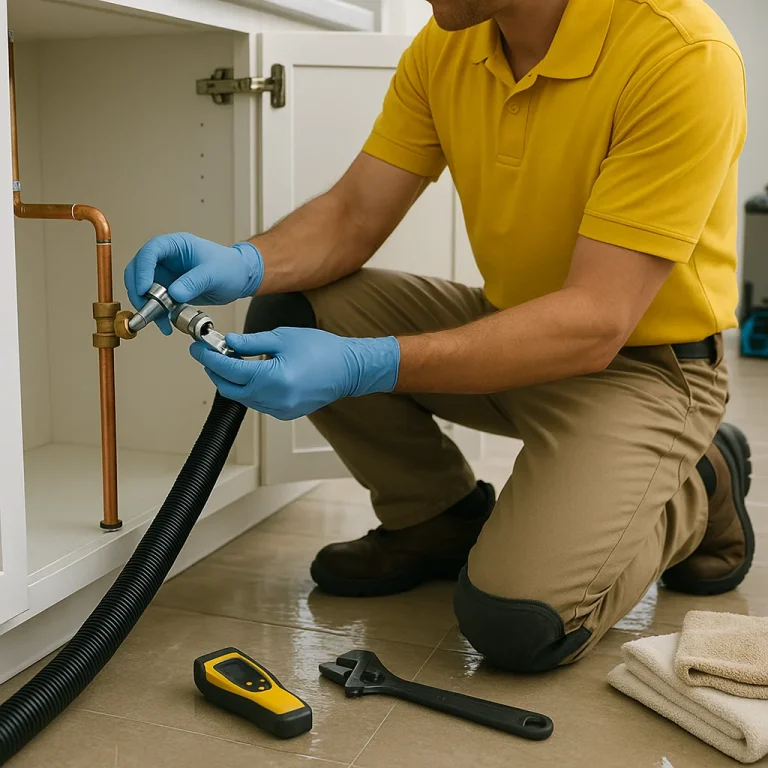
Burst Pipe Water Damage in Toronto Toronto winters split pipes every year. The cold snaps in January and…
Learn More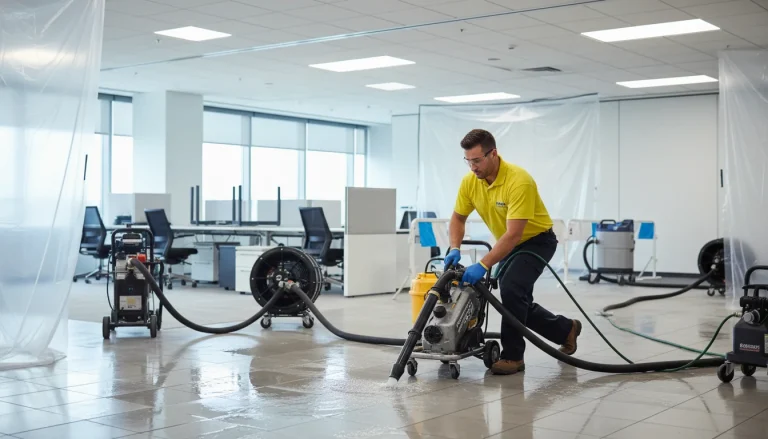
Commercial water damage in Toronto ranges from a sprinkler head going off on an office floor in the…
Learn More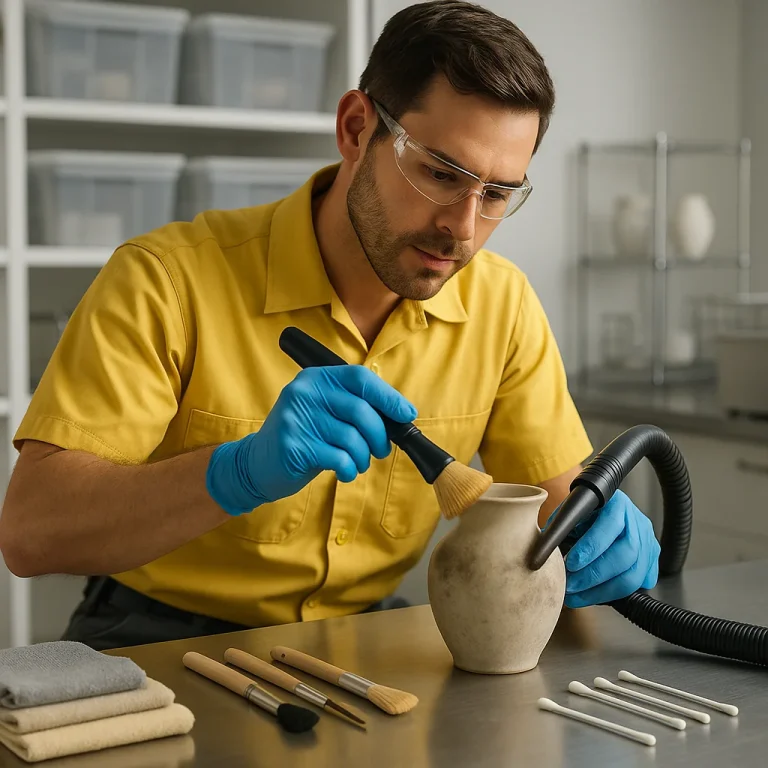
Contents Restoration in Toronto When water gets into a basement or condo, it's not just the walls and…
Learn More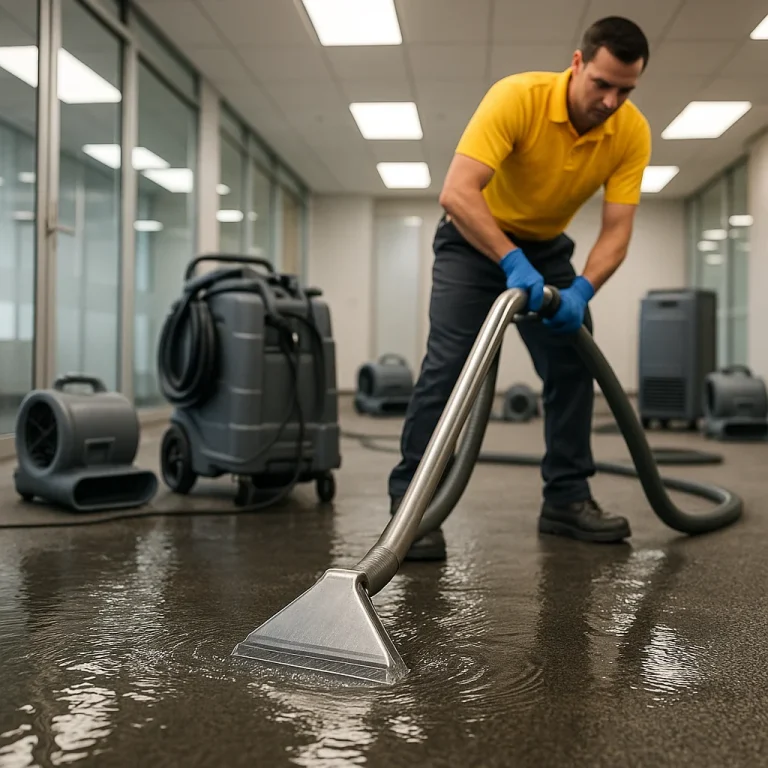
Water Extraction in Toronto When water is standing on a floor, every hour it sits there it moves…
Learn More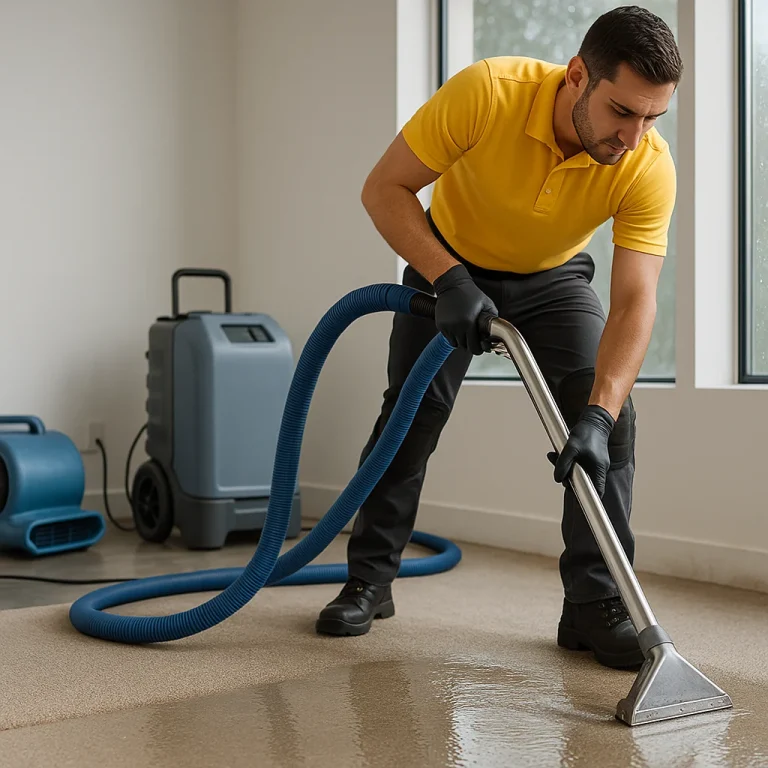
Basement flooding is Toronto's most common water damage problem. The city's older neighbourhoods have combined sewers that carry…
Learn MoreEvery job starts by finding where the water came from.
Moisture readings, not guesswork, decide when drying is done.
Photos, readings and a written scope you can give your insurer.
Basements, semis, condos and older commercial buildings typical of the city.
Emergency water extraction
Structural drying and moisture monitoring
Flooded basement cleanup
Sewage backup cleanup
Mould prevention after water damage
Stop the water if you can do it safely (shut off the main valve for a plumbing leak), keep away from standing water near outlets or the electrical panel, move valuables up, take photos, and call. The sooner extraction starts, the less soaks into drywall and flooring.
Many older neighbourhoods have combined sewers that carry rain and sewage together. In a big storm they fill and back up through floor drains. Sump pumps that fail or can't keep up, and grading that sends water toward the house, add to it.
Yes. It carries bacteria and should be treated as contaminated. Porous materials it soaks, like carpet, underpad and the bottom of drywall, are usually removed rather than dried.
Most rooms take three to five days of drying with air movers and dehumidifiers. Moisture readings decide when it's done, not the calendar.
It depends on where the water came from and what the condo's declaration and your unit insurance cover. A documented source and moisture map help sort out responsibility between owners and the corporation.
Sudden events like a burst pipe are often covered; sewer backup and overland flooding usually need specific endorsements. Check your policy. Photos, readings and a written scope help with the claim.
Backwater valves, sump pumps and downspout disconnection are the usual fixes, and the City of Toronto runs a basement flooding protection subsidy program for some of them. Ask about it when you call.
All of Toronto, including downtown, midtown, the east and west ends, Scarborough, North York, Etobicoke and East York.
Fast local response across every community we cover.
Don't see your area? We almost certainly cover it — just ask.
Call Now (437) 291-8616 Call (437) 291-8616Serving Toronto, ON
We answer every enquiry — usually within the hour.